
RSS

Cozy Up: Your Friendly Guide to Winter-Proofing Your Manitoba Home

Ah, fall in Manitoba—when the leaves turn golden, the air gets crisp, and we all start eyeing our thermostats with a mix of anticipation and mild dread. If you're a homeowner here, you know that getting ready for winter isn't just a good idea—it's basically a survival skill. But don't worry! With a little preparation now, you'll be sipping hot cocoa by the fireplace while the snow swirls outside, feeling smug and cozy.

Let's walk through everything you need to do to get your home ready for the cold season ahead. I promise it's not as overwhelming as it sounds.

Show Your Heating System Some Love

Your furnace has one job this winter: keep you warm. Let's make sure it's up for the challenge! Schedule a professional inspection to catch any issues before the first deep freeze hits. While you're at it, make a mental note to replace those HVAC filters monthly—it's one of those small tasks that makes a big difference for air quality and efficiency.

If you're feeling fancy, consider upgrading to a programmable thermostat. Your future self (and your energy bills) will thank you when you can adjust temperatures automatically without stumbling out of bed at 6 AM.

Be Kind to Your Pipes

Frozen pipes are nobody's idea of a good time, so let's avoid that drama entirely. Start by disconnecting and draining your outdoor hoses, then shut off the exterior water supply. Think of it as tucking your outdoor plumbing in for a long winter's nap.

For pipes along exterior walls or in unheated spaces, wrap them in foam insulation or heat tape—like giving them a cozy winter jacket. And if you're heading out of town during a cold snap? Keep your heat at 18°C or higher and let a faucet drip slightly. It might seem wasteful, but it's way cheaper than dealing with burst pipes.

Seal Up Those Sneaky Drafts

Cold air has a way of finding every tiny crack and gap in your home. Grab some caulk and weather stripping, and do a thorough inspection around windows, doors, and anywhere else you feel a suspicious breeze. You can even remove your window screens for the season and double-check that weather stripping while you're at it.

Don't forget about insulation! Your attic, basement, and exterior walls should be well-insulated to keep heat where it belongs—inside with you. Good insulation also helps prevent those pesky ice dams on your roof.

Give Your Roof and Gutters Some Attention

Before the snow starts piling up, take a good look at your roof. Check for missing shingles, damage, or potential leaks. It's much easier (and safer) to fix these things now than in January.

Clean out your gutters and downspouts too. I know, I know—it's not the most glamorous task. But clogged gutters can lead to ice dams and water damage, and that's a headache you definitely don't want.

Keep Things Safe and Comfortable Inside

Manitoba winters can be brutally dry, so dust off that humidifier and make sure it's working properly. Aim to keep your indoor humidity between 20–40% for optimal comfort without encouraging condensation.

Here's an important one: test your smoke and carbon monoxide detectors and replace the batteries. With increased use of furnaces, fireplaces, and heaters, these devices are more important than ever. While you're thinking about fire safety, have your fireplace inspected and review how to use it safely.

Don't Forget the Little Things

A few more quick tasks to round out your winter prep:

  • Check that your sump pump is working—Manitoba's quick thaws mean it might be needed even in winter

  • Store outdoor furniture and cover or remove your air conditioner

  • Trim any tree branches hanging too close to your house or roof

  • If you're traveling, open cabinet doors to let warm air circulate around pipes

You've Got This!

I know this list might seem long, but remember—you don't have to do everything in one weekend. Tackle a few tasks at a time, maybe put on some good music or your favorite podcast, and before you know it, your home will be winter-ready.

The best part? Once you've checked everything off, you can relax and actually enjoy the season. There's something wonderful about knowing your home is prepared for whatever Manitoba winter throws at it—whether that's a gentle snowfall or a full-blown blizzard.

Stay warm out there, friends! 
Read

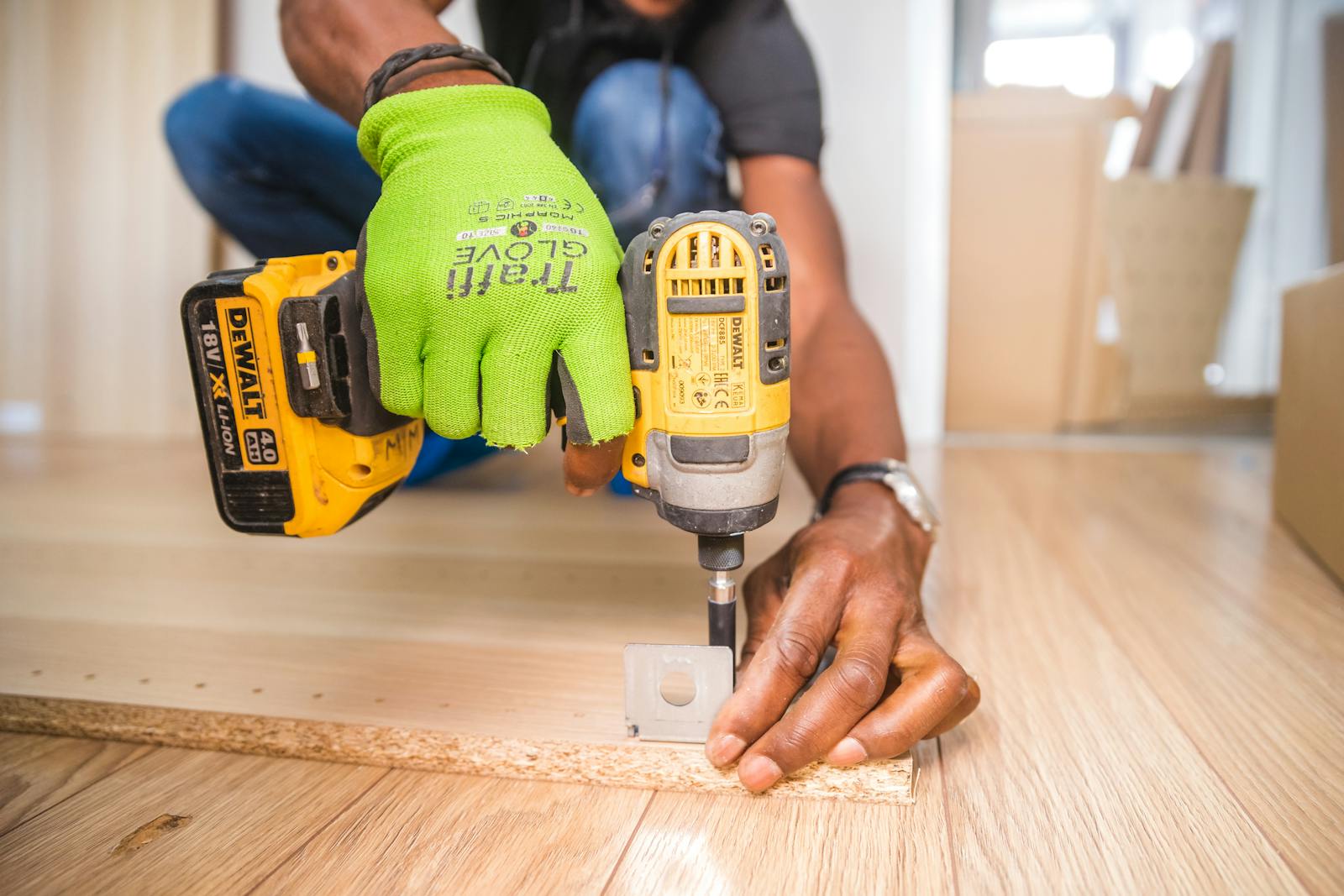
Renovate or Buy: Finding the Right Path Forward

You're at an interesting crossroads in your homeownership journey. Your current home no longer fits your needs, and you're wondering: should I renovate or should I buy something new? It's a common question, and you're definitely not alone.

You might expect me to automatically push you toward buying a new house. After all, I'm a Realtor, and we're in the business of buying and selling homes. But the truth is, it depends on several factors unique to your situation.

Key Factors to Consider

How long will you stay there?

If your renovation will extend the usefulness of your home for many years (or even until you're ready to downsize), the math works differently than if it only buys you a few more months or years.

Think about it this way: if you invest $100,000 in a renovation and it extends your time in the home for 20 years, that's only $5,000 per year. That amount could easily be absorbed by normal property appreciation. But that same $100,000 renovation that only extends the home's usefulness for 2 years? That's $50,000 per year, making it much trickier to see a return on your investment.

What type of renovation are you planning?

Renovations that improve your home's appeal to the majority of buyers will strengthen your market value. For example, taking a 2-bedroom, 1-bathroom house with an unfinished basement and adding 2 more bedrooms, an ensuite, a rec room, and another bathroom will likely attract more buyers when it's time to sell.

On the flip side, renovations that decrease broad appeal can work against you. Removing a bedroom to install an indoor hot tub, for instance, would likely narrow your pool of potential buyers significantly.

Who's your likely buyer?

This is often an overlooked consideration when thinking about adding value to your home. If your house is perfect for a first-time buyer, they probably won't be excited about paying a premium for high-end finishes or luxury additions. First-time buyers typically want a house they can make their own while building equity.

However, if your typical buyer is someone upgrading because they've outgrown their current home, they might be very interested in a move-in-ready 4-bedroom, 3-bathroom house with a large rec room for their teenage kids.

Running the Numbers

Here's what I encourage you to think about: what do you actually need in a home, and can you achieve it by renovating for the same cost (or less) than buying?

Let's walk through an example. Say you need another bedroom because your 3-bedroom, 1,000-square-foot bungalow is feeling too snug. In your desired neighborhood, a house that would meet your needs costs around $600,000. Your current home is worth $400,000.

In this scenario, you have roughly $200,000 to work with for a renovation. If you invested that money into your current home, would you be as happy with the result as you would be with a $600,000 home? Keep in mind that location matters. If you love your current lot but the house just isn't big enough, you'll need to fall in love with a new location too.

Now, if you put that $200,000 into your home but think it will only meet your needs for another 3 years, is it worth it? Will you recoup that investment when you eventually sell?

Understanding Your Neighborhood

Another critical piece of the puzzle is whether your neighborhood supports the increased value. Some areas simply don't yield homes over a certain price point. If you have a $200,000 house in a neighborhood where homes rarely sell for more than $250,000, and you invest $100,000 in renovations, you're unlikely to see that money back. In cases like that, moving to a different area might make more sense.

How I Can Help

Here's what I like to do: sit down with you and walk through the scope of your planned renovation. We'll discuss how it might add value and whether your neighborhood will support that new price point. I've seen countless renovations over the years—the good, the bad, and the ugly—so I have a pretty good sense of what works and what doesn't. I also have a great network of skilled tradespeople I can connect you with if you decide renovation is the right path.

If you're torn between renovating and buying, let's have a conversation. I'm happy to help you get a clearer picture of your options so you can make the decision that's right for you and your family.

Read
The trademarks REALTOR®, REALTORS®, and the REALTOR® logo are controlled by The Canadian Real Estate Association (CREA) and identify real estate professionals who are member’s of CREA. The trademarks MLS®, Multiple Listing Service® and the associated logos are owned by CREA and identify the quality of services provided by real estate professionals who are members of CREA. Used under license.